
Stain removal
Stain removal
There is a different treatment for every kind of stain. You can always start with a general cleaning solution, but knowing what caused the mark is what decides whether it lifts out or sets in permanently.
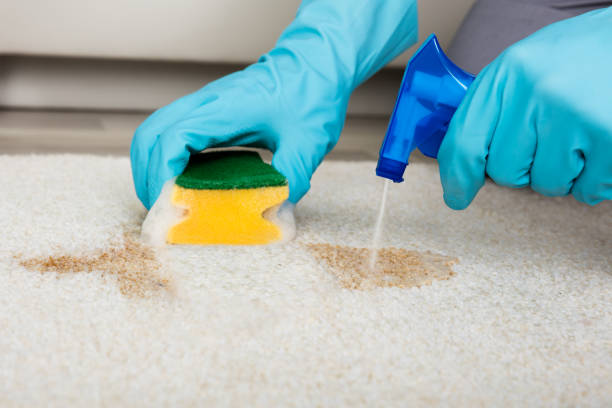
Why one bottle of spot cleaner is not enough
Stains fall into families, and each family responds to a different kind of chemistry. Protein stains such as milk, blood and food need an enzyme or a mild alkaline at low temperature, because heat cooks protein into the fibre and locks it there. Tannin stains like tea, coffee and red wine need an acid based treatment. Oil and grease need a solvent. Dye stains, which is what most children's drinks and some medications are, need a reducing or oxidising agent and are the hardest of the lot.
Using the wrong one is not neutral. An alkaline product on a tannin stain will set it. Heat on a protein stain will set it. A strong oxidiser on wool can strip colour out of the carpet and leave you with a pale patch that is more obvious than the original mark. This is the reason so many stains become permanent only after someone has tried to fix them.
What to do before we arrive
- Act quickly. A fresh spill is a spill. A dry one is a stain. The first ten minutes matter more than anything we do later.
- Blot, do not rub. Press a clean white cloth or paper towel down firmly and lift. Rubbing pushes the material deeper and damages the pile.
- Work outside in. Start at the edge of the spill and move towards the middle so it does not spread.
- Use white cloth only. Coloured cloths and tea towels can transfer their own dye into wet carpet.
- Cold water first. Plain cold water lifts a surprising amount and cannot make anything worse.
- Stop before you experiment. If cold water and blotting have not done it, leave it and call us. Every additional product makes our job harder.
Most stains we cannot remove were removable until somebody tried three products on them.
Common stains and how they behave
- Red wine. A tannin plus a dye. Usually removable if it has not been scrubbed. Salt does not help and can drive it deeper.
- Coffee and tea. Tannin. Responds well to acid side chemistry. Milky coffee is a tannin and a protein together, so it needs two passes.
- Pet urine. Two problems in one. The visible mark, and salts and bacteria in the underlay producing the smell. Surface cleaning alone will not fix odour.
- Blood. Protein. Cold water only. Warm water will set it permanently.
- Ink and marker. Solvent based. Highly variable, ballpoint often comes out and permanent marker often does not.
- Grease and oil. Needs a solvent, then a water based rinse to remove the solvent residue.
- Candle wax. Lifted with heat and absorbent paper, then treated for any dye left behind.
- Rust. Needs a specific rust remover. Ordinary carpet cleaner will do nothing at all.
- Chewing gum. Frozen, cracked off, then the residue dissolved with a citrus solvent.
Pet urine deserves its own treatment
Urine passes straight through carpet into the underlay and often into the floor beneath it. As it dries, it crystallises into salts that draw moisture out of the air, which is why the smell gets noticeably worse on a humid Auckland day. It also raises pH in the fibre, which permanently alters some carpet dyes. Cleaning the surface removes the mark and the smell for a few days, then both come back.
Proper treatment means finding the full extent of the contamination with a UV light and a moisture meter, flushing the affected area with a sub-surface injection tool, applying an enzyme that digests the residue rather than masking it, and in severe cases lifting the carpet to treat or replace the underlay. It is more work, and we quote it separately, but it is the only approach that actually resolves the problem.
When a stain is permanent
We would rather tell you at the quoting stage than take your money and disappoint you. Bleach and benzoyl peroxide from acne cream have destroyed the dye rather than added anything to it. Heat marks from a hair straightener or an iron have melted synthetic fibre. Some plant dyes, older pet urine on wool, and sun bleaching along a window line are all changes to the carpet itself. In those cases the honest options are a patch repair using carpet from a wardrobe, or living with it, and we will say so plainly.
Not sure what it is?
Send a photo and we will tell you.
A clear picture in daylight, plus how long it has been there and anything already tried on it, is usually enough for us to say whether it is worth a visit.
Got a stain you cannot shift?
Tell us what it is and how old it is, and we will give you a straight answer on whether it will come out.